
Chapters
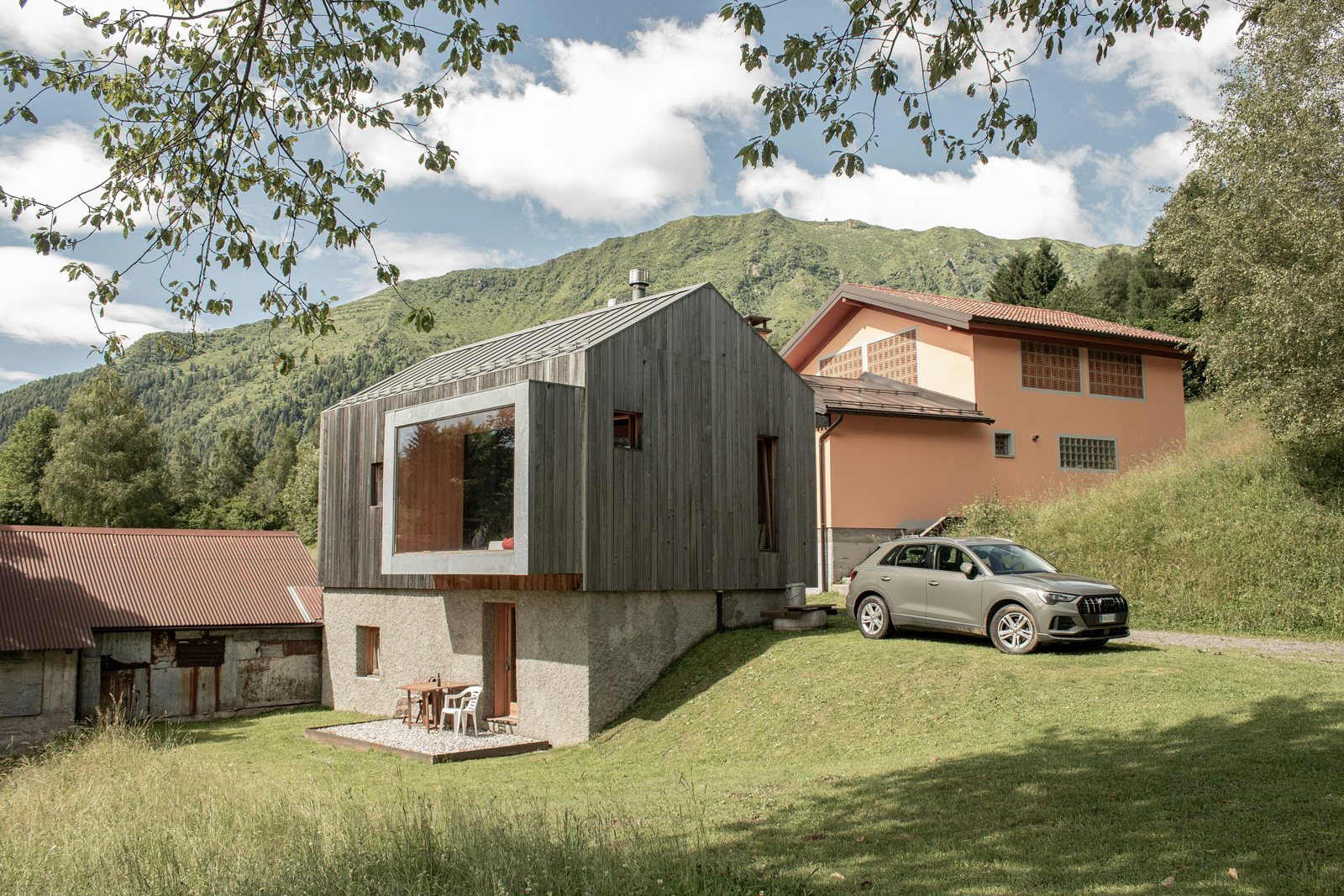
Seattle is well-known for its amazing typography. Whether it’s the sharp cliffs of Queen Anne and Magnolia or the picturesque view of the hills in Bellevue, sloping property is among the most sought after in the Pacific Northwest region. But constructing such an area brings with it major structural obligations, especially where earthquakes are concerned.
Since our city sits right on top of the Cascadia Subduction Zone, protecting yourself from earthquakes is not just a good idea—it’s a structural must. In order to build on a slope, a regular foundation will not do. It is necessary to know how seismic activity affects sloping areas.
Slope Amplification Effect: Why Are Hillsides Prone To Earthquakes?
When there is an earthquake, seismic waves occur in the soil. On plain grounds, the force that shakes a house moves from one side to another. But when it comes to hillsides, there are changes in terms of physics.
On a hillside area, geologists and structural engineers talk about slope amplification effects. With an earthquake on a slope, the shaking forces can increase near the ridge or gradient line. The other factor contributing to this risk is a house on a slope, which means an irregular profile of foundations in terms of a basement that sticks out and houses standing on downhill piers.
Key Components of Hillside Engineering
The first step in securing a hillside house is making sure that the house is firmly bound together and anchored into the stable soil beneath it. Our unique architecture, engineering, and construction company uses a two-pronged approach to achieve this:
1. Seismic Anchoring
Since the soil on the hillside is prone to sliding, especially in case of a seismic event, one needs to make sure that the house does not slide away from the place where it is supposed to be. We employ seismic anchoring technology to make sure that the house will move with the ground and not with the soil.
2. Strong Foundation Bracing
A lot of older slope properties in the Pacific Northwest area have post-and-pier foundations or unbraced “cripple walls” on the downhill side. An important step in the process of hillside seismic retrofitting includes adding sophisticated foundation bracing. Our engineers add or reinforce the weak spots by using plywood sheath walls or strong steel frames. It provides for a strong lateral load path, which means that the shock wave generated by the earthquake would safely travel from the roof and walls to the fortified foundation.

3. Specific Structural Reinforcements
Every slope property has its specific geological and architectural details. Comprehensive reinforcement may include addition of shotcrete to strengthen concrete retaining walls, installation of hold-down anchors to secure the frames with the foundation or use of strong tie-backs against soil pressure on the uphill side of the building.
Innate Advantage: Design, Engineering & Permitting All-in-One
An earthquake retrofit project on a steep slope is always highly complicated. Compliance with the strict Environmentally Critical Area (ECA) code and obtaining a permit from the Department of SDCI is quite challenging for any company. Traditional approach involves hiring an architect for drawing a project and structural engineer for preparing seismic retrofitting plans. The homeowner has to also engage a general contractor to build it and deal with possible miscommunication issues and budget overruns. At Innate, we take care of all of this.
- In-House Engineering: We conduct an accurate geological evaluation of your slope and compute the exact load tolerances to prepare your specific retrofit plan.
- Permitting Know-how: We take care of all the ECA variance and permit loops to avoid getting your project stuck in bureaucratic red tape.
- Perfect Construction: We execute the project with the highest accuracy, using our JobSync software to inform you of all budget and timeline milestones along the way.
Preserve Your View and Your Investment
There’s nothing quite like living at a hillside home in PNW, but there’s nothing quite as reassuring as knowing your home will remain firmly in place. Be it a complete whole-house remodel, an assessment of your current home’s preparedness for earthquakes, or construction of a new DADU in a terraced property, engineering is your best investment move.
Get ready to protect your home; contact us at Innate to schedule a site visit and have your home engineered for anything Mother Nature throws at it.
In this article
- seismic retrofitting Seattle
- sloped lot construction
- hillside home engineering
- foundation bracing
- seismic anchoring
- structural engineering Seattle